A couple of months ago, I made the acquaintance of the new gamekeeper at the local shoot. Since then, I've been able to buy pheasants in the feather from him for the remarkably low price of £1.50 pence a brace. Now, several deals on, we have a freezer full. We've cooked a few of them already and used a number of tasty recipes. Not that I ever needed any convincing but wild pheasant is a beautiful and much underated food.
By mutual consent, our dealings have quickly moved from cash deals, to one of barter. The going rate for a couple of pheasants has become a bottle of our own 'Morfa Nefyn Orchard' apple juice. The arrangement has proven to be a beneficial one for both parties and I've enjoyed being able to go up to the shooting lodge and sucking in the atmosphere. In my younger days I did lots of beating and maybe next season, I'll return to it, goodness knows I need the exercise.
During my frequent visits to the shoots shooting lodge, I saw that he's been keeping a wild boar sow and her ten white piglets. " She's nasty" the keeper told me " she's had me up in the air a couple of times and I want her gone as soon as the piglets are weaned."
I mentioned to him at sometime or other, that we make our own sausages here at home and on Sunday I had a phone call from him to say that he'd had her slaughtered and would I turn the whole sow into sausage? Rather than lose face, I said yes but just so long as he delivered her skinned and boned. The deal was that we'd go half and half, he'd supply the pig and I would supply the labour, the sausage skins and the seasoning. It seemed like a good deal at the time.
The pig was delivered at 8.am yesterday morning. Eh hum! Note that the skin appears intact and that the bones are most definately in situ. As a non butcher and a maker of sausage from smallish amounts of belly pork, what ensued was a long arduous day that didn't finish until way after 6.00pm.
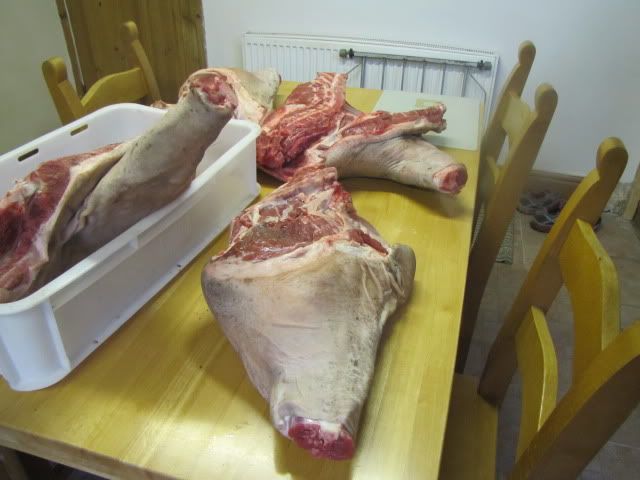
It was all hands to the pump with my wife Karen and our youngest son having to skin and then take the pork off the bone before we could actually start making the sausage. Robert just happened to be throwing a piece of pig skin at me as I was taking this picture.
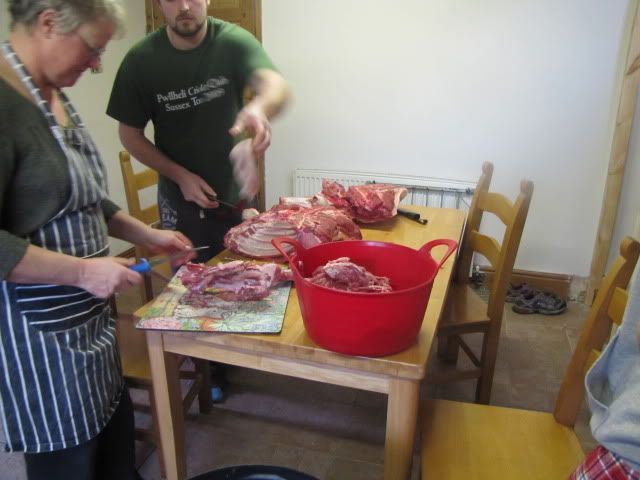
Hours later, we ended up with 31 kg of meat ready to run through the mincer.
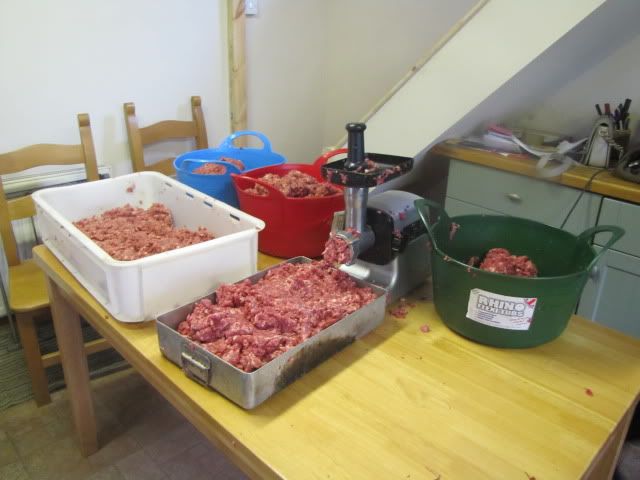
We ran all the meat through the mincer twice and with our small electric hobby machine, it took an eternity. We had to mix in the seasonings before we could start filling the sausage stuffer time after time and get the sausages flowing freely. What a job! I don't think any of us ever want to see a sausage again! Fortunately, Karen is a dab hand at linking sausages and can do it without having to think. You should see some of the knitting patterns that she follows.
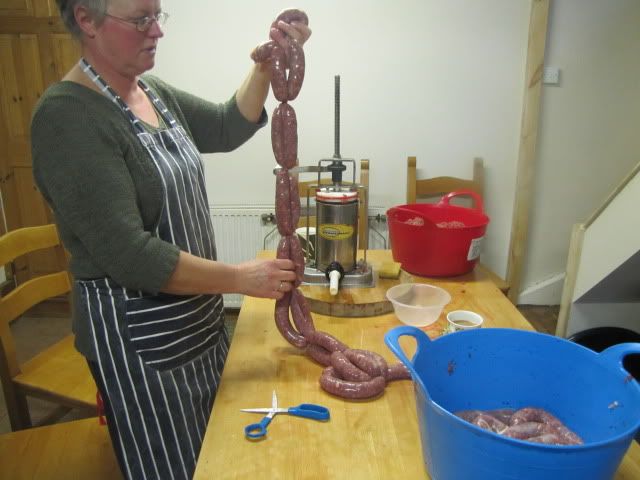
Our day was an extremely long one and I don't think we'd ever undertake it again with the equipment that we have. Here's half the sausages that we made, the gamekeeper will be picking them up in the morning.
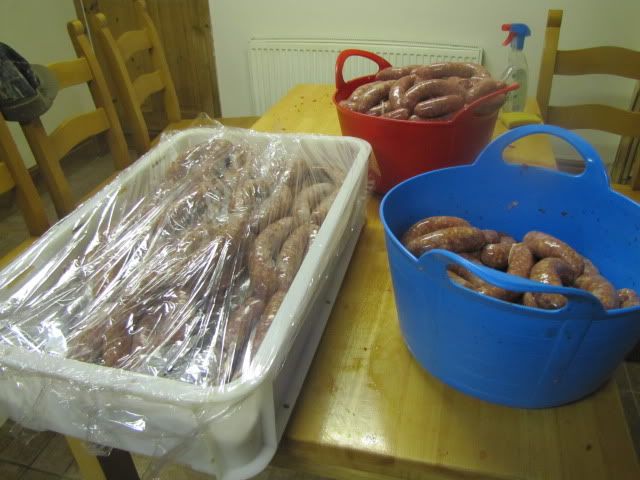
Needless to say, we thought that we deserved a nice sausage dinner last night.
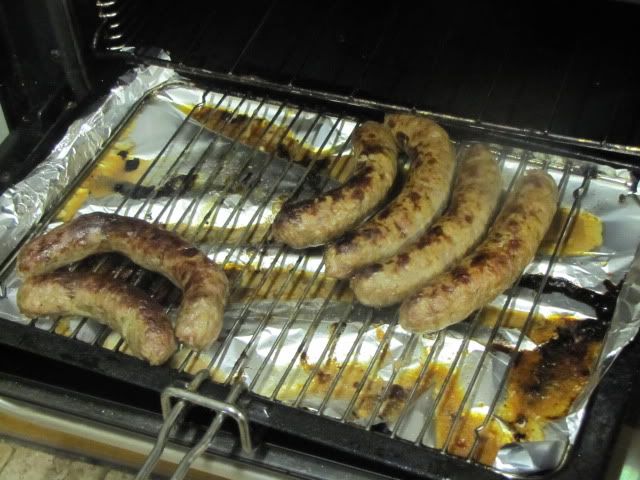
Over the next few weeks, I'll try and find the time and the space to put some of the super recipes that I've picked up onto my blog.
Monday, 23 January 2012
Sunday, 22 January 2012
Cider Making. A Momentous Day for Us.
My avid interest in all things cider is a fairly recent passion in life. Infact, it only began about seven or eight years ago, when purely by chance Karen and I stopped for farmhouse B&B at Broom Farm in Peterstowe, Herefordshire.
http://www.rosscider.com/
As they say, the rest is history. After falling under the cidery influence of Mike, Phil, John, Hilary and gang, my life path has been changed for ever. I just love the ideaology that goes along with the making and drinking of cider.
To start with, we began by making just a few gallons of cider each year for our own use. Our early attempts were made from apples begged from friends and neighbours and they were either eating or cooking apples. So that we could eventually use cider apples in our cider, in the winter of 2008 we started a programme of planting our own cider orchard.
Last year my son and I decided that it might be an idea to try taking our hobby on a little further and to turn it into a commercial venture and so, last season we made slightly over 2000 litres. Today was a momentous day for The Morfa Nefyn Cider and Apple Juice company. Todays the day that we bottled our first ever barrel of cider.
Here's how our day went on.
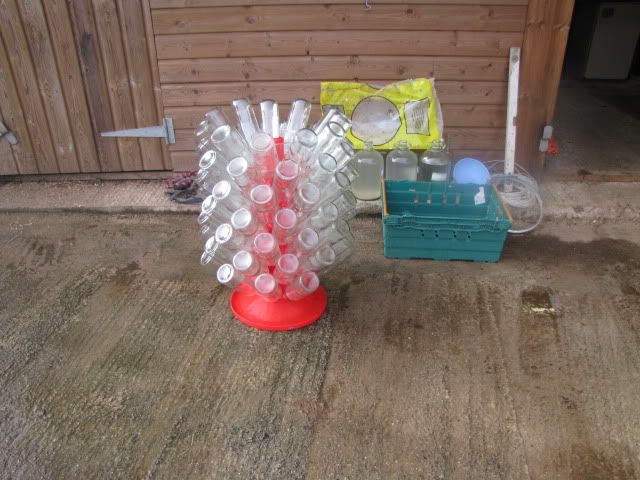
First of all we cleaned and sterilised the bottles.
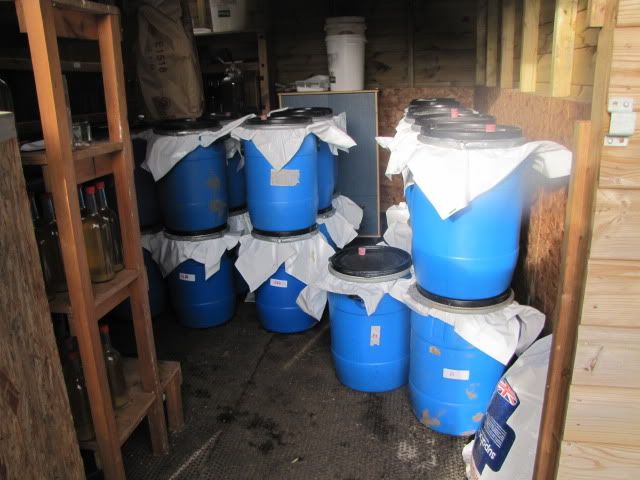
We had thirty four 60 litres barrels of cider to choose from.
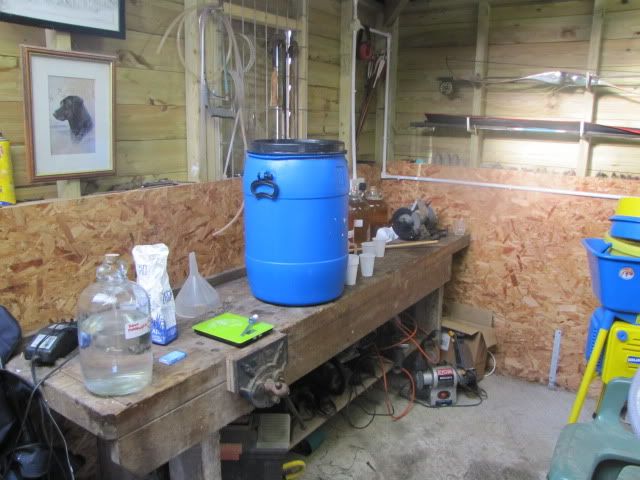
We chose this one. It was pressed on the 16th of September 2011 and the apples came from a community orchard at Plas Tan y Blwch in the village of Maentwrog.
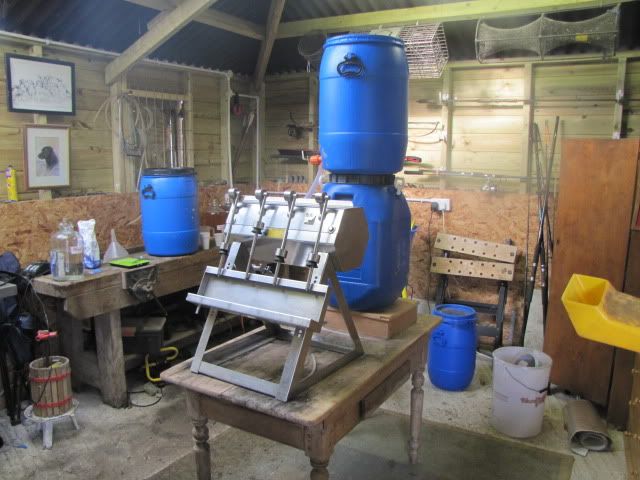
With a little bit of muscle power, we put the barrel up above the bottling machine, so that gravity would run the cider into the bottling machine.
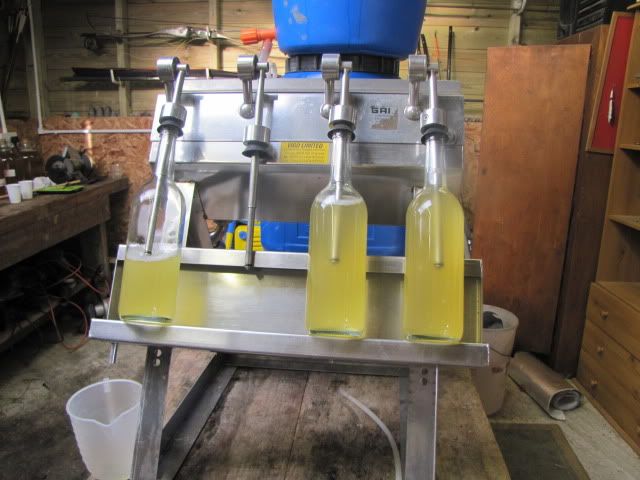
With the machine filling four bottles at a time things didn't take us long at all.
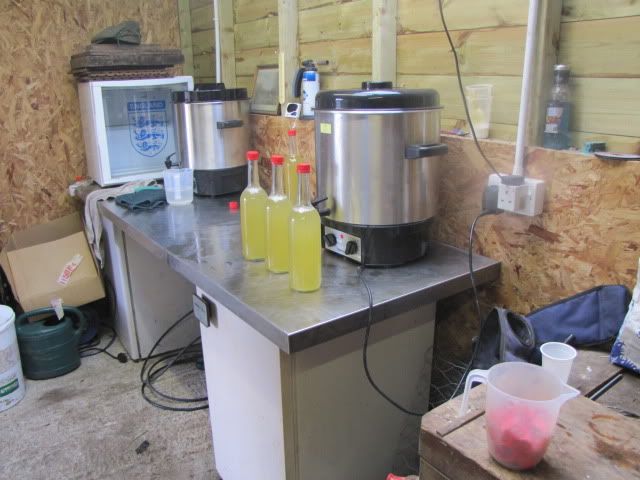
The next step was for us to pasteurise the cider in the bottles before sealing the tops. We took the cider up to 74 degrees and that was it, job done. Then we fastened the lids and laid the bottles on their side so that the hot cider pasteurised the inside of the tops.
Our cider certainly tasted OK before being pasteurised and now all that we have to do is to let it cool and do some rigorous testing. Any volunteers?
This is just the beginning for us, but hopefully, we've made a good start.
http://www.rosscider.com/
As they say, the rest is history. After falling under the cidery influence of Mike, Phil, John, Hilary and gang, my life path has been changed for ever. I just love the ideaology that goes along with the making and drinking of cider.
To start with, we began by making just a few gallons of cider each year for our own use. Our early attempts were made from apples begged from friends and neighbours and they were either eating or cooking apples. So that we could eventually use cider apples in our cider, in the winter of 2008 we started a programme of planting our own cider orchard.
Last year my son and I decided that it might be an idea to try taking our hobby on a little further and to turn it into a commercial venture and so, last season we made slightly over 2000 litres. Today was a momentous day for The Morfa Nefyn Cider and Apple Juice company. Todays the day that we bottled our first ever barrel of cider.
Here's how our day went on.
First of all we cleaned and sterilised the bottles.
We had thirty four 60 litres barrels of cider to choose from.
We chose this one. It was pressed on the 16th of September 2011 and the apples came from a community orchard at Plas Tan y Blwch in the village of Maentwrog.
With a little bit of muscle power, we put the barrel up above the bottling machine, so that gravity would run the cider into the bottling machine.
With the machine filling four bottles at a time things didn't take us long at all.
The next step was for us to pasteurise the cider in the bottles before sealing the tops. We took the cider up to 74 degrees and that was it, job done. Then we fastened the lids and laid the bottles on their side so that the hot cider pasteurised the inside of the tops.
Our cider certainly tasted OK before being pasteurised and now all that we have to do is to let it cool and do some rigorous testing. Any volunteers?
This is just the beginning for us, but hopefully, we've made a good start.
Saturday, 21 January 2012
My Poultry.
My brother and I were presented with a bantam hen each by a kindly man in the village, when we moved to the house that my dear old mum still lives in to this day. That was in 1962 and from the day that that we got those two birds, that was me hooked, I've more or less kept chickens of some kind ever since.
I get a great deal of enjoyment from keeping poultry and yesterday, I took the camera on my rounds, I hope that you enjoy your visit.
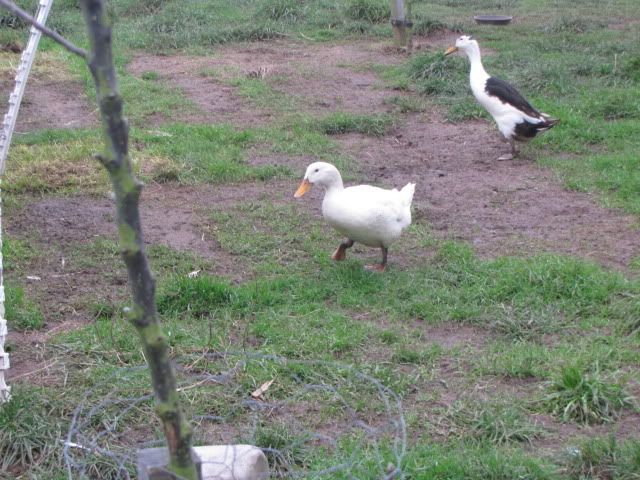
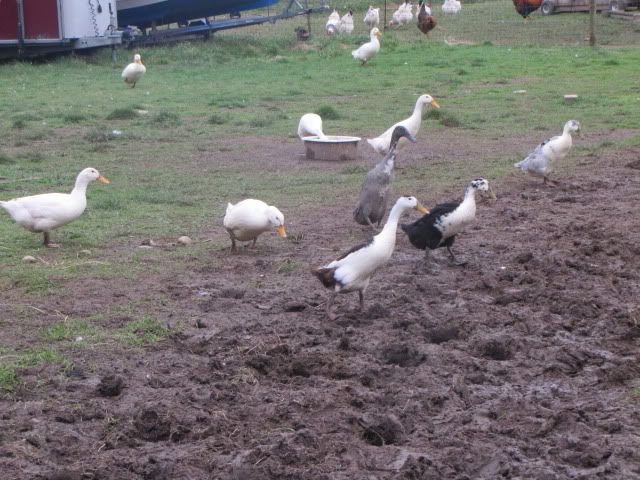
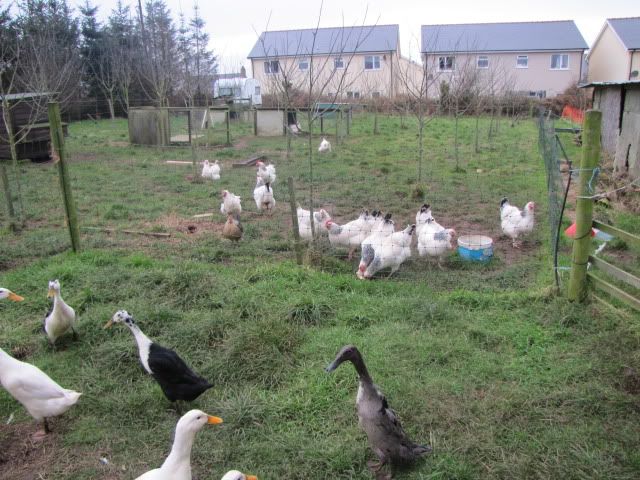
I have a mixed flock of a dozen ducks. Seven Indian Runners and five White Campbells.
They're brilliantly funny to watch and sometimes, as they move across the fields they almost look as though they are sequence dancing.
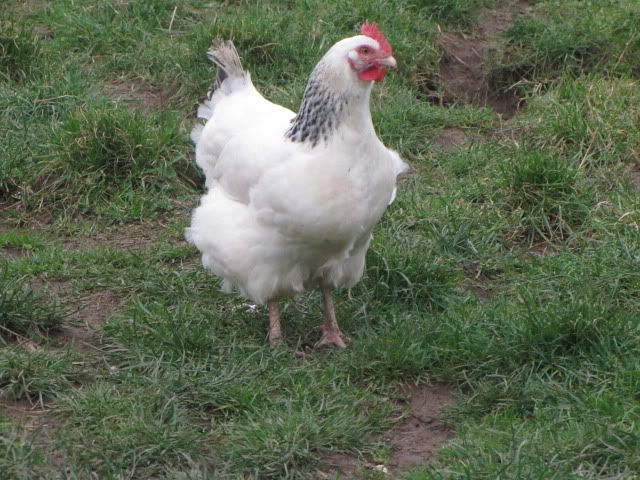
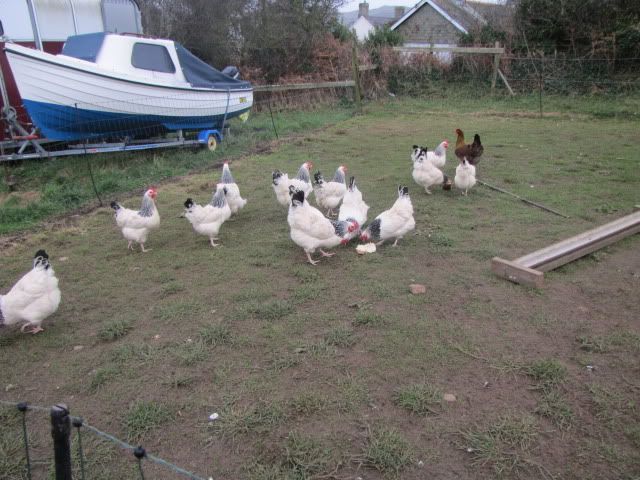
I've kept these Light Sussex for the last four years or so and found them to be exceptional layers and as an add on, just last year I started to keep Welsummers.
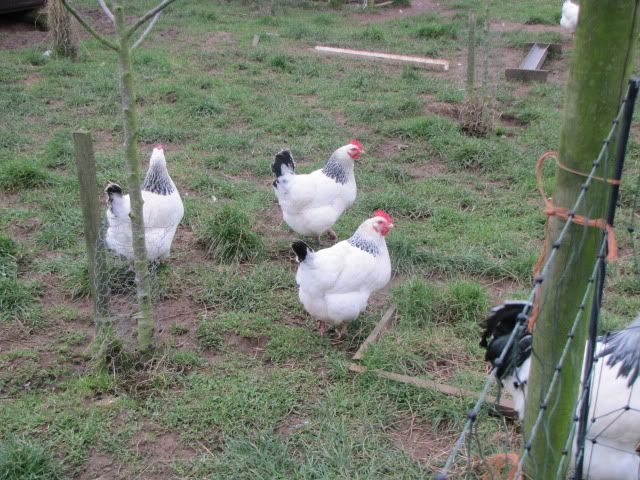
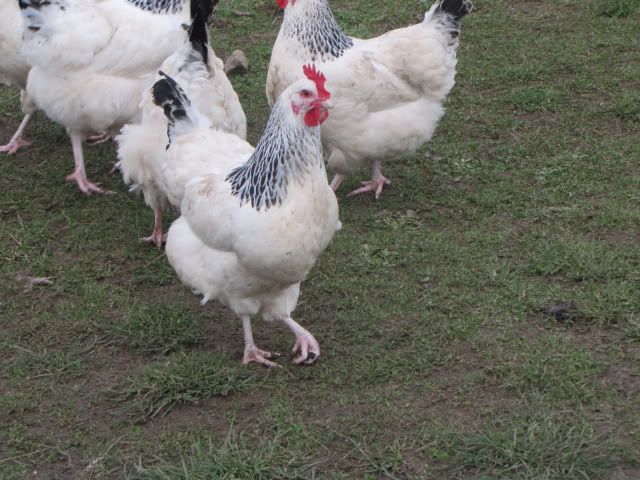
These are my stock birds. The ones that you can see are either two or three years old and I couldn't have asked anymore from them. Whats more, last year they bred some fantastic pullets for me. The purest might say that their collars are a little indistinct but as you'll see later, I've sorted this out without detracting from their laying qualities.
Here you go.
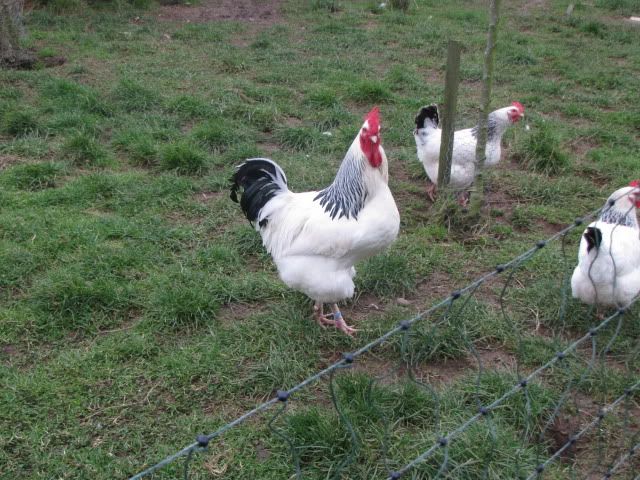
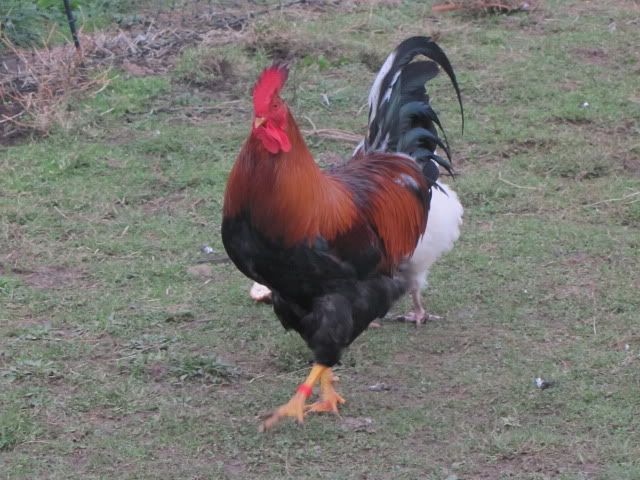
Mated to this cock that I hatched from eggs that I had from a friend.
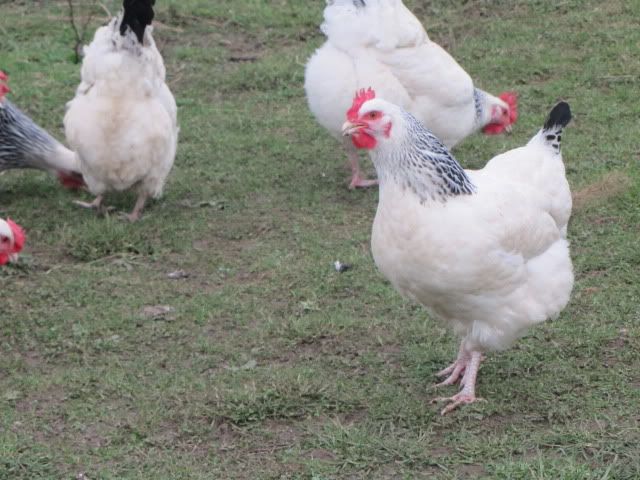
I've been able to produce these quality Light Sussex pullets.
Now for my Welsummers. See what you think. I've retained eight of what I hope are the best specimens from three different lots of eggs. I've kept two cocks back who are unrelated but both have come from what are supposedly egg competition strains. Welsummers lay extremely dark brown coloured eggs that are sometimes entered into egg classes at chicken shows and the competition between exhibitors can be quite fierce.
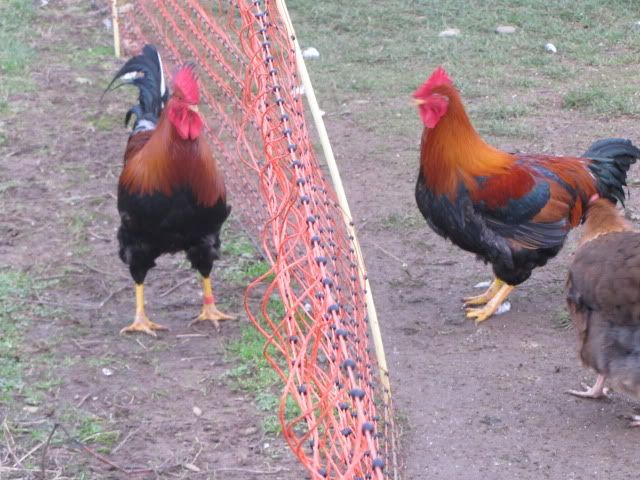
If it wasn't for this wire, I'd knock your block off.
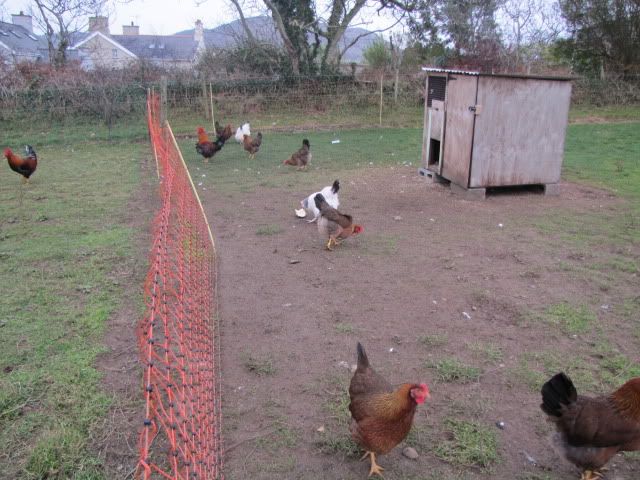
All my birds are kept behing electric poultry netting which is energised by mains electric fencing units. As soon as the weather drys out, all the coops and sheds will be moved to fresh ground. The old grassed area will be harrowed and reseeded and this way, everything should be kept nice and fresh.
Thanks for looking.
I get a great deal of enjoyment from keeping poultry and yesterday, I took the camera on my rounds, I hope that you enjoy your visit.
I have a mixed flock of a dozen ducks. Seven Indian Runners and five White Campbells.
They're brilliantly funny to watch and sometimes, as they move across the fields they almost look as though they are sequence dancing.
I've kept these Light Sussex for the last four years or so and found them to be exceptional layers and as an add on, just last year I started to keep Welsummers.
These are my stock birds. The ones that you can see are either two or three years old and I couldn't have asked anymore from them. Whats more, last year they bred some fantastic pullets for me. The purest might say that their collars are a little indistinct but as you'll see later, I've sorted this out without detracting from their laying qualities.
Here you go.
Mated to this cock that I hatched from eggs that I had from a friend.
I've been able to produce these quality Light Sussex pullets.
Now for my Welsummers. See what you think. I've retained eight of what I hope are the best specimens from three different lots of eggs. I've kept two cocks back who are unrelated but both have come from what are supposedly egg competition strains. Welsummers lay extremely dark brown coloured eggs that are sometimes entered into egg classes at chicken shows and the competition between exhibitors can be quite fierce.
If it wasn't for this wire, I'd knock your block off.
All my birds are kept behing electric poultry netting which is energised by mains electric fencing units. As soon as the weather drys out, all the coops and sheds will be moved to fresh ground. The old grassed area will be harrowed and reseeded and this way, everything should be kept nice and fresh.
Thanks for looking.
Tuesday, 17 January 2012
Muck?
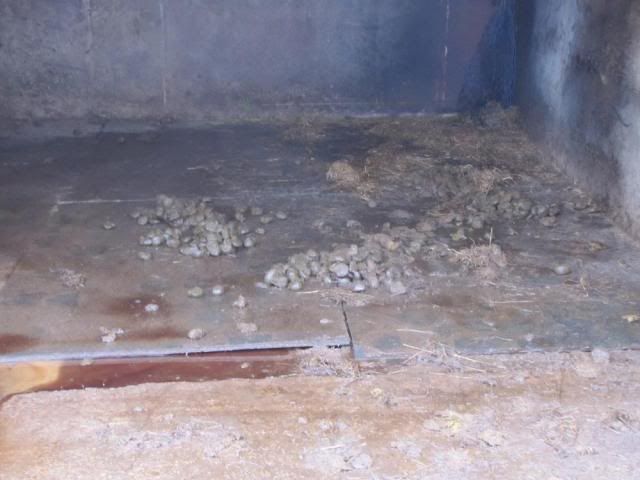
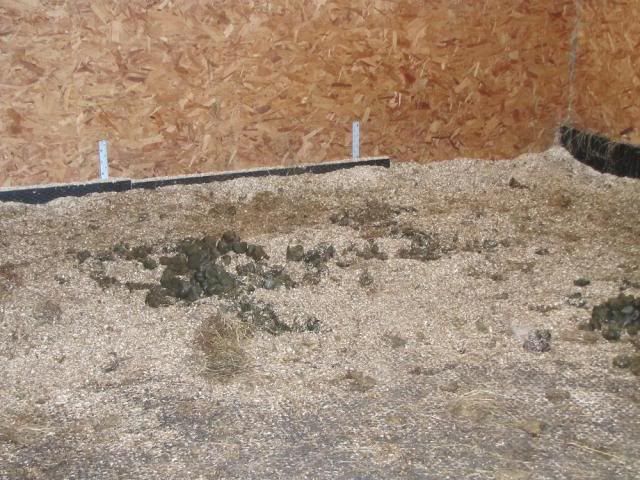
Muck? Who ever it was that said ' Where there's muck there's brass' must have been talking through his hat, because I've been shovelling the stuff for years and I'm yet to see any. Join me for just one typical morning on the smallholding, as yours truly goes up to his neck in it.
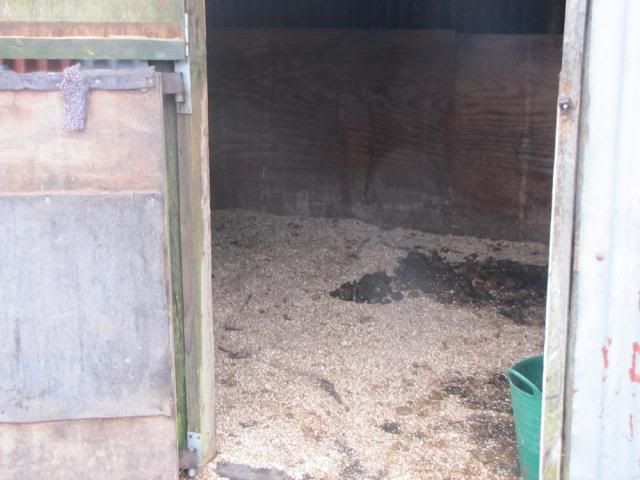
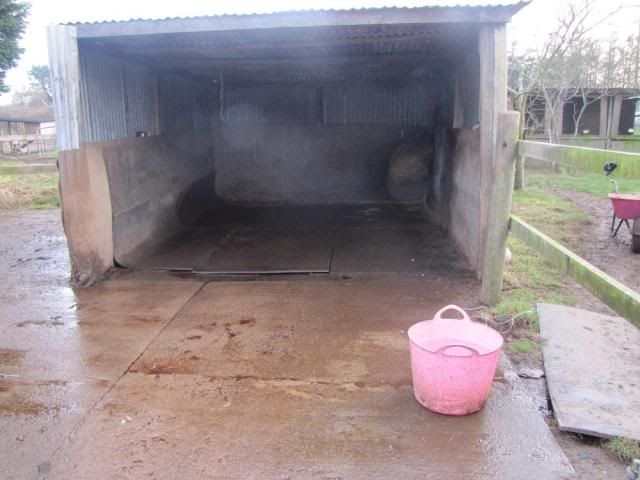
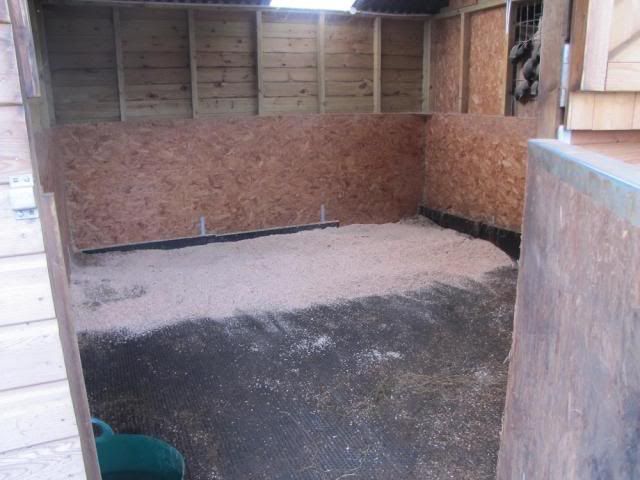
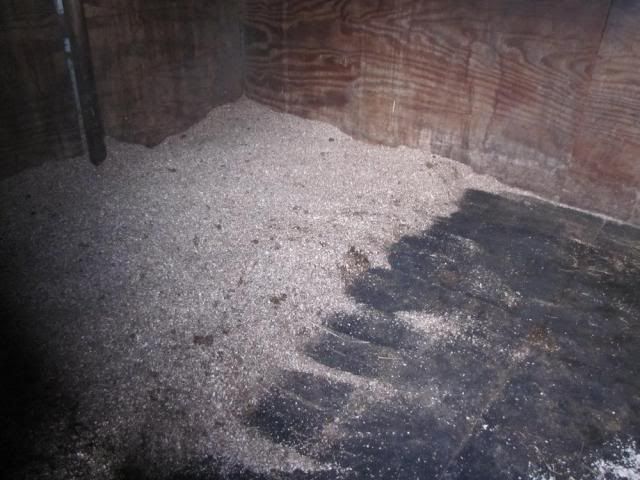
Every morning through out the winter, I have to sort this little lot out. I'm not a horsey person by any means, I just look after my long distance daughters retired horses. Day after day through out the winter months, I have to clean out three stables and cart the muck through the cloying mud to the muck heap. You should see the size of the heap that I'm building! :shock: Think of the film 'The Englishman Who Went Up a Hill But Came Down a Mountain' and that could very well be me.
My mission isn't a mission impossible, its one thats very possible and unfortunately, its one that I have no option but to accept.
I have to turn this;
and this.
and this.
into this.
This is in addition to leading the horses in and out at the start and the finish of the day, plus wheel barrowing haylage up the field for the day and stocking the haybars at night. I have to be on site as day breaks and as night falls. I feel really tied to the place and as much as I love the winter season I find myself thinking " roll on spring and summer"
Yesterday, oh joy oh joy, I even managed to find the time to muck out my own chickens.
Every morning through out the winter, I have to sort this little lot out. I'm not a horsey person by any means, I just look after my long distance daughters retired horses. Day after day through out the winter months, I have to clean out three stables and cart the muck through the cloying mud to the muck heap. You should see the size of the heap that I'm building! :shock: Think of the film 'The Englishman Who Went Up a Hill But Came Down a Mountain' and that could very well be me.
My mission isn't a mission impossible, its one thats very possible and unfortunately, its one that I have no option but to accept.
I have to turn this;
and this.
and this.
into this.
This is in addition to leading the horses in and out at the start and the finish of the day, plus wheel barrowing haylage up the field for the day and stocking the haybars at night. I have to be on site as day breaks and as night falls. I feel really tied to the place and as much as I love the winter season I find myself thinking " roll on spring and summer"
Yesterday, oh joy oh joy, I even managed to find the time to muck out my own chickens.
Sunday, 15 January 2012
A Job well done?
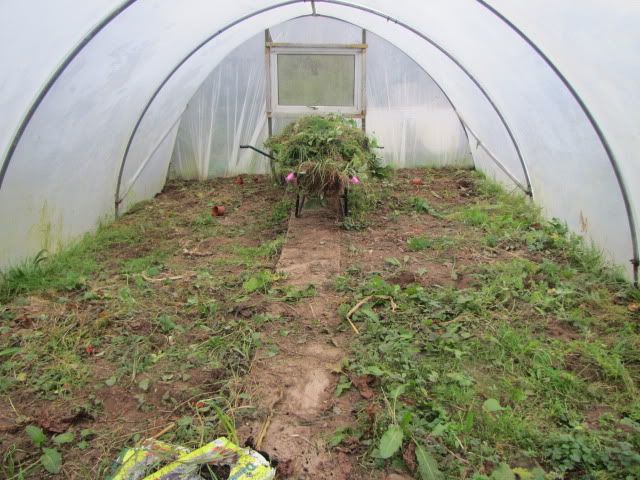
Here's a picture of the polytunnel before we started weeding. I'd been meaning to do it for ages.
Before planting time comes along, I'll have to rake the seed beds over from time to time and then one winters evening, I'll have the pleasant task to look forward to of sitting infront of the fire with the seed catalogues.
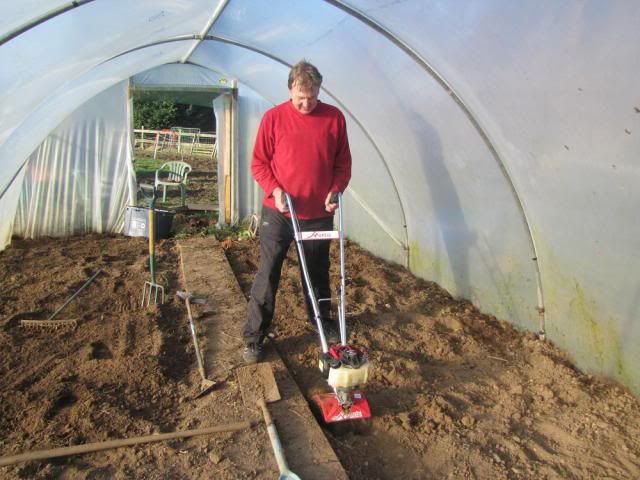
A work in progress picture. My brother Dave kindly helped me out, first of all by motivating me and then by rotavating with his 'Mantis' Rotavator.
After weeding, we rotavated once and picked out any field stones that had come to the surface. The next job, was to spread ten barrows of well rotted manure on the surface and then rotavate again.
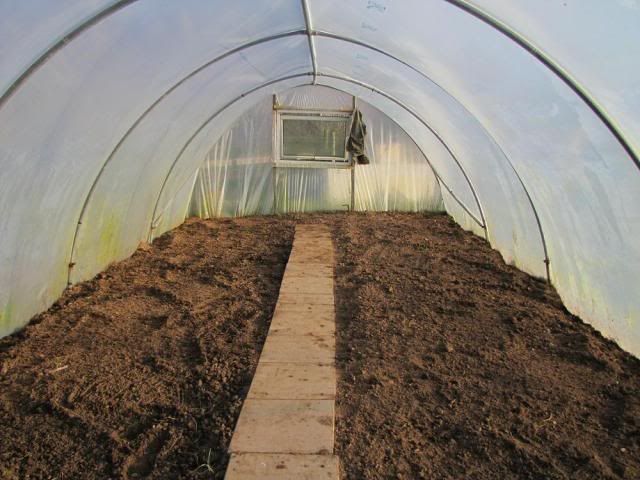
The finished job. All in all I feel very satisfied with our efforts.
Before planting time comes along, I'll have to rake the seed beds over from time to time and then one winters evening, I'll have the pleasant task to look forward to of sitting infront of the fire with the seed catalogues.
Thursday, 12 January 2012
A Busy day in the Polytunnel ahead.
One very important component that we added to our smallholding last year, was our polytunnel.
I was fortunate enough be given the steel hoops for nothing and we managed to get it errected and ready just in time for our first growing season. I'm not sure whether it was a case of beginners luck or not, but we did very well with just about everything and were able to grow a lot of food in it.
It was a great success and nows the time to finalise preparations for the coming campaign. My brother Dave phoned yesterday to say that they were coming down from North Staffordshire to see us.We haven't got a rotavator of our own but he has, so as quick as a flash, I persuaded him to bring his with him for the weekend.
This means that todays going be a case of all hands to the pump. To take full advantage, we need to have a full day in the polytunnel weeding and spreading manure ready for Dave to rotavate the growing beds tomorrow.
I was fortunate enough be given the steel hoops for nothing and we managed to get it errected and ready just in time for our first growing season. I'm not sure whether it was a case of beginners luck or not, but we did very well with just about everything and were able to grow a lot of food in it.
It was a great success and nows the time to finalise preparations for the coming campaign. My brother Dave phoned yesterday to say that they were coming down from North Staffordshire to see us.We haven't got a rotavator of our own but he has, so as quick as a flash, I persuaded him to bring his with him for the weekend.
This means that todays going be a case of all hands to the pump. To take full advantage, we need to have a full day in the polytunnel weeding and spreading manure ready for Dave to rotavate the growing beds tomorrow.
Porthdinllaen
Time to make the first ever entry on my blog.
I've never taken the fabulously beautiful area in which we live in for granted and consider myself extremely fortunate to live within just a few minutes walk from the beautiful beaches of Porthdinllaen, Most days, outside the holiday season will see me exercising Grace the labrador, either to the left in the direction of the Ty Coch public house, or to the right towards the town of Nefyn.
http://www.tycoch.co.uk/
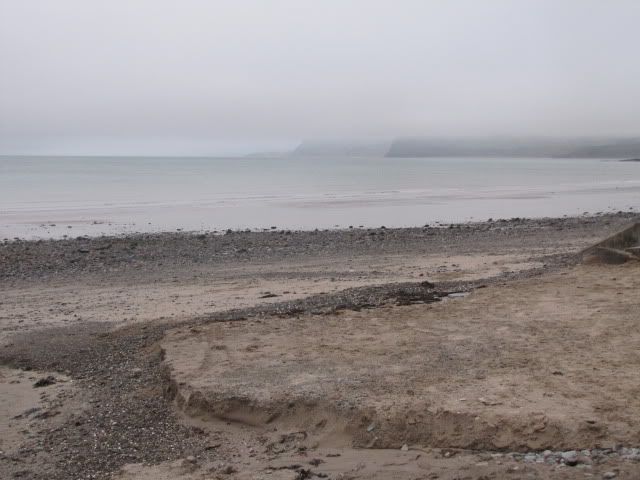
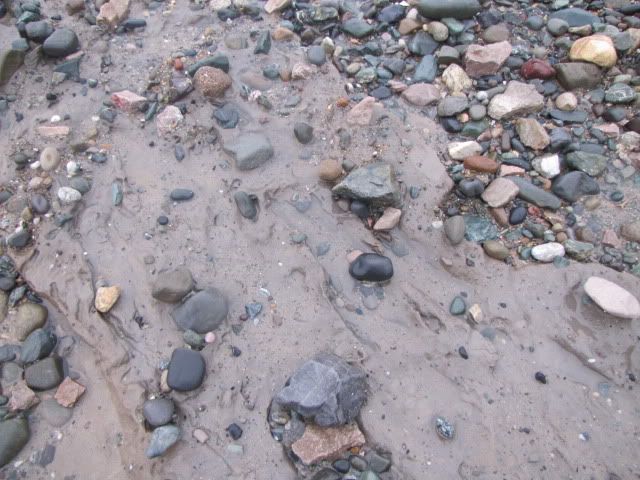
The recent strong winter storms have had an extreme affect on the beaches and in some places the sand has completely disappeared. What were once gently sloping sandy beaches have become much steeper and I certainly haven't seen them in anything like this state in all the thirty five years that I've been visiting or living in the area.
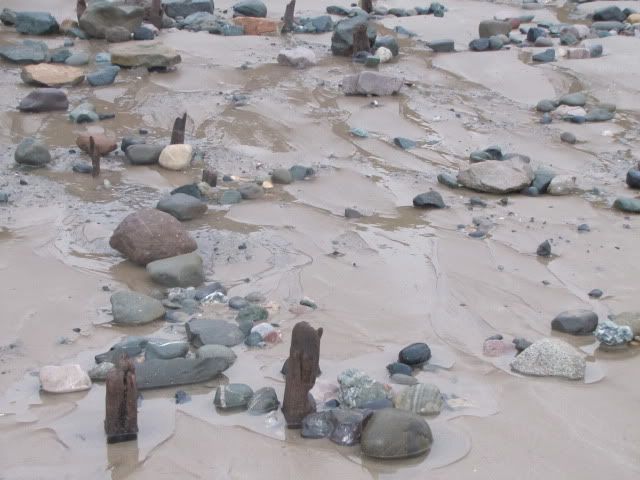
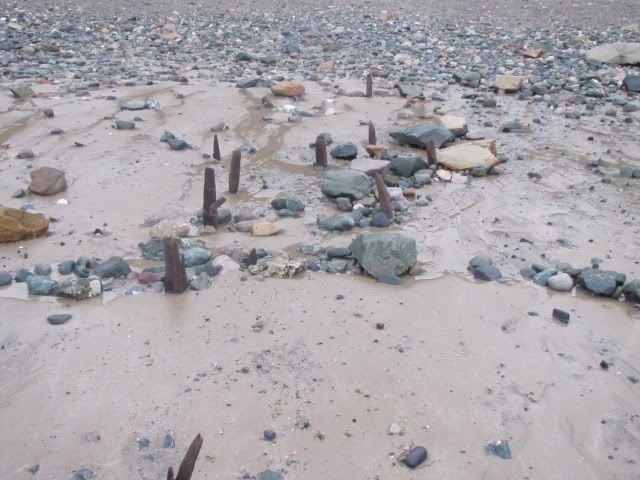
One advantage of what will hopefully be a temporary change, is that the signs are there for all to see of what was once a bustling industrial past. I don't imagine that many of the holiday makers that flock to Porthdinllaen these days can have an inkling as to just how busy this now tranquil holiday destination once was.
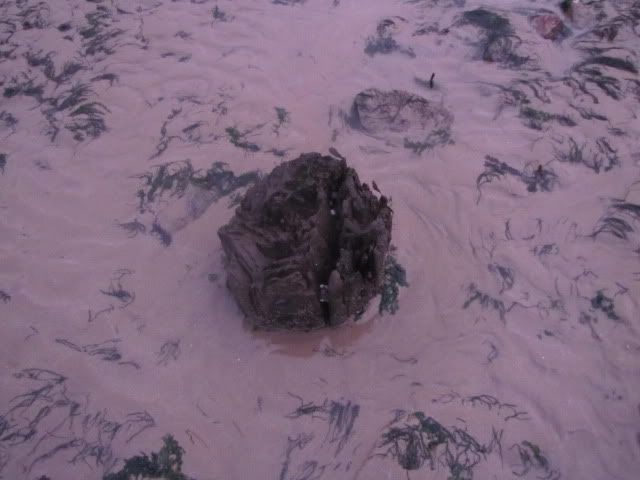
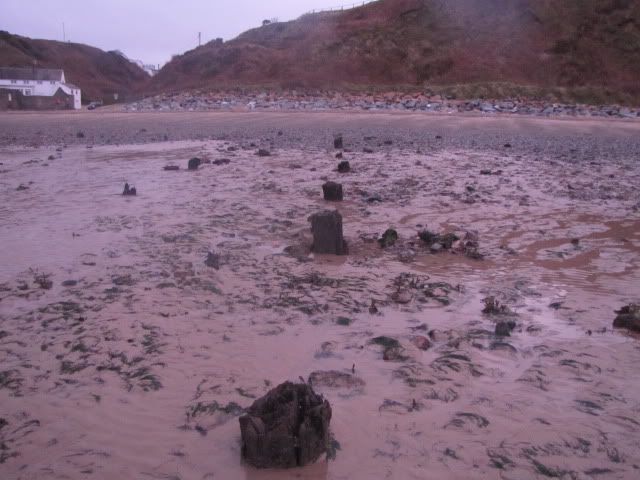
Have a look at this for industrial archeology. Up until yesterday, I'd never seen it before. With the sand stripped away evidence of long forgotten wharfs and jetties have been revealed.
Where's the sand?
For centuries, a thriving ship building and repair industry was carried out on the beach and again, there are old photos of Porthdinllen which show rows of wooden ships along the beach towards the actual village of Porthdinllaen.
Its all interesting stuff and I'm so pleased that I've been able to be witness to such an interesting taste of the past. Hopefully however, the vagries of time and tide will soon once again restore the status quo of the beach and by the time the summer arrives, everything should be back to normal, with the countless bare feet of the holiday makers oblivious to what lies beneath them.
You might care to have a look at these links.
http://www.rhiw.com/y_mor/hanes_llongau_llyn/owen_griffith_nafyn/nefyn_sailors_and_their_ships.htm
http://www.rhiw.com/y_mor/hanes_llongau_llyn/porthdinllaen_ship_building.htm
I've never taken the fabulously beautiful area in which we live in for granted and consider myself extremely fortunate to live within just a few minutes walk from the beautiful beaches of Porthdinllaen, Most days, outside the holiday season will see me exercising Grace the labrador, either to the left in the direction of the Ty Coch public house, or to the right towards the town of Nefyn.
http://www.tycoch.co.uk/
The recent strong winter storms have had an extreme affect on the beaches and in some places the sand has completely disappeared. What were once gently sloping sandy beaches have become much steeper and I certainly haven't seen them in anything like this state in all the thirty five years that I've been visiting or living in the area.
One advantage of what will hopefully be a temporary change, is that the signs are there for all to see of what was once a bustling industrial past. I don't imagine that many of the holiday makers that flock to Porthdinllaen these days can have an inkling as to just how busy this now tranquil holiday destination once was.
Have a look at this for industrial archeology. Up until yesterday, I'd never seen it before. With the sand stripped away evidence of long forgotten wharfs and jetties have been revealed.
Where's the sand?
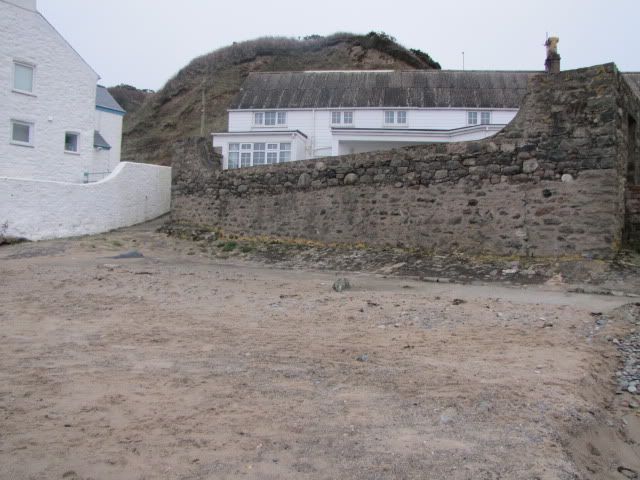
To this day, the building on the top left of this photo is known by older locals as the coalyard. Its a desirable holiday home by the beach now of course but in days gone by, ships would beach themselves at high tide and their cargoes unloaded and carried up to it. There are old sepia photos around of horses being used to ferry it up to the yard.
For centuries, a thriving ship building and repair industry was carried out on the beach and again, there are old photos of Porthdinllen which show rows of wooden ships along the beach towards the actual village of Porthdinllaen.
Its all interesting stuff and I'm so pleased that I've been able to be witness to such an interesting taste of the past. Hopefully however, the vagries of time and tide will soon once again restore the status quo of the beach and by the time the summer arrives, everything should be back to normal, with the countless bare feet of the holiday makers oblivious to what lies beneath them.
You might care to have a look at these links.
http://www.rhiw.com/y_mor/hanes_llongau_llyn/owen_griffith_nafyn/nefyn_sailors_and_their_ships.htm
http://www.rhiw.com/y_mor/hanes_llongau_llyn/porthdinllaen_ship_building.htm
Subscribe to:
Posts (Atom)